- ENQUIRE ONLINE OR CALL US
- 08 8451 1500



The RBA’s interest rate statement for May 2026

Upgrade your ride – quickly and easily!
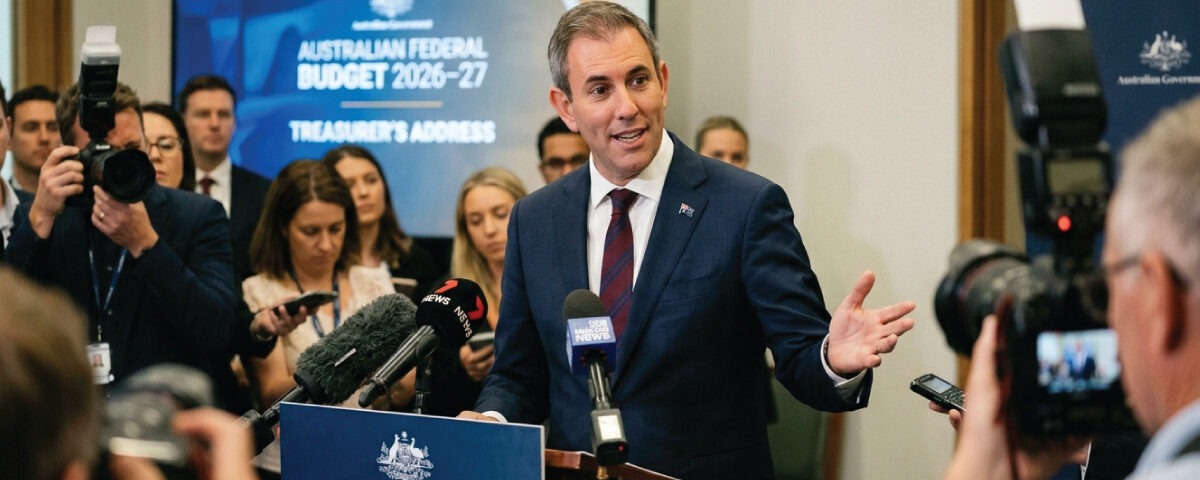
Last night’s Federal Budget included some of the biggest proposed changes we’ve seen in years – especially for property investors, trusts and higher-income earners.
Here’s a simple breakdown of what matters most for property, finance and business owners:
🏡 Property Investors & Negative Gearing
From 1 July 2027 (proposed):
-
Negative gearing will be limited to new residential builds only
-
Existing investment properties are expected to be grandfathered under current rules
-
Buying an established property after this date means losses can’t be offset against your income (losses can only be used against future rental income)
The goal is to push investment into new housing and reduce competition with owner-occupiers.
📈 Capital Gains Tax (CGT)
From 1 July 2027 (proposed):
-
Current 50% CGT discount will move to an inflation-adjusted system (indexation)
-
A minimum 30% tax rate on capital gains will apply
-
New-build investors may still choose the current 50% discount instead of the new system
The goal is to reduce generous tax advantages and better align gains with real (inflation-adjusted) profits.
🏢 Trusts & Business
From 1 July 2028 (proposed):
-
A minimum 30% tax on discretionary trust income
-
Aimed at reducing income splitting
The goal is to limit tax minimisation through income splitting.
For business owners, there were also some positives:
-
The $20,000 instant asset write-off becomes permanent
-
Loss carry-back provisions are returning for eligible companies
💰 Interest Rates & Lending
While there’s cost-of-living relief in the Budget, there’s still concern inflation could stay higher for longer.
That means:
-
Interest rates may remain elevated
-
Borrowing capacity could stay tight
-
Lenders will continue adjusting their policies
📊 The Big Picture
This Budget signals a major shift in how property and investment income may be taxed going forward.
Nothing is law yet – but if passed, these changes could have a real impact on:
-
Investment property strategies
-
Borrowing decisions
-
Trust structures
-
Asset ownership planning
-
Long-term tax outcomes
What should you do?
If you’ve got a loan, investment property, or business finance in place – it’s a good time to review things.
Small changes to your structure, lender or rate can make a big difference over the next 12–24 months.
If you want a quick review or second opinion, just call or email us anytime.
Cheers,
Sam, Matt & Team
Urbantech Finance
P.S. Even if nothing has changed for you, the rules – and lenders – are always changing. It’s worth checking where you stand.